
LaSalle Parish Criminal Court Cases
The 28th Judicial District Court is LaSalle Parish’s district court. It hears felony prosecutions and parish-level criminal matters. The Clerk of Court at 1050 Courthouse Street in Jena preserves the criminal files permanently. The clerk’s office, not the jail, is the place to confirm a filed count, hearing entry, judgment, sentence, or certified disposition. Call 318-992-2158, or use the court line at 318-992-2002 when the question concerns a setting rather than a copy request.
Jena, Olla, Tullos, and Urania may keep separate mayor’s-court dockets for municipal ordinance violations. Those files do not automatically appear as district-court cases. A traffic or ordinance matter should be checked with the issuing town first. State-law prosecutions belong with the district clerk after the district attorney files them.
LaSalle Court Records Stay Local
No verified public online criminal-case portal covers LaSalle Parish. eClerksLA is mainly a land and marriage records service and should not be treated as a local criminal docket search. A blank web search is therefore weak evidence. The file may be at the clerk’s counter, stored as paper, imaged, archived, or not yet opened because the prosecutor has not filed a charging document.
The LaSalle Parish Clerk of Court identifies the office as custodian of criminal records. Contact staff with enough facts to separate people who share a name. An approximate arrest date, alleged offense, arresting agency, citation number, or booking number can prevent the wrong file from being ordered.
The LSP audit FAQ documents how a repository result may be challenged.
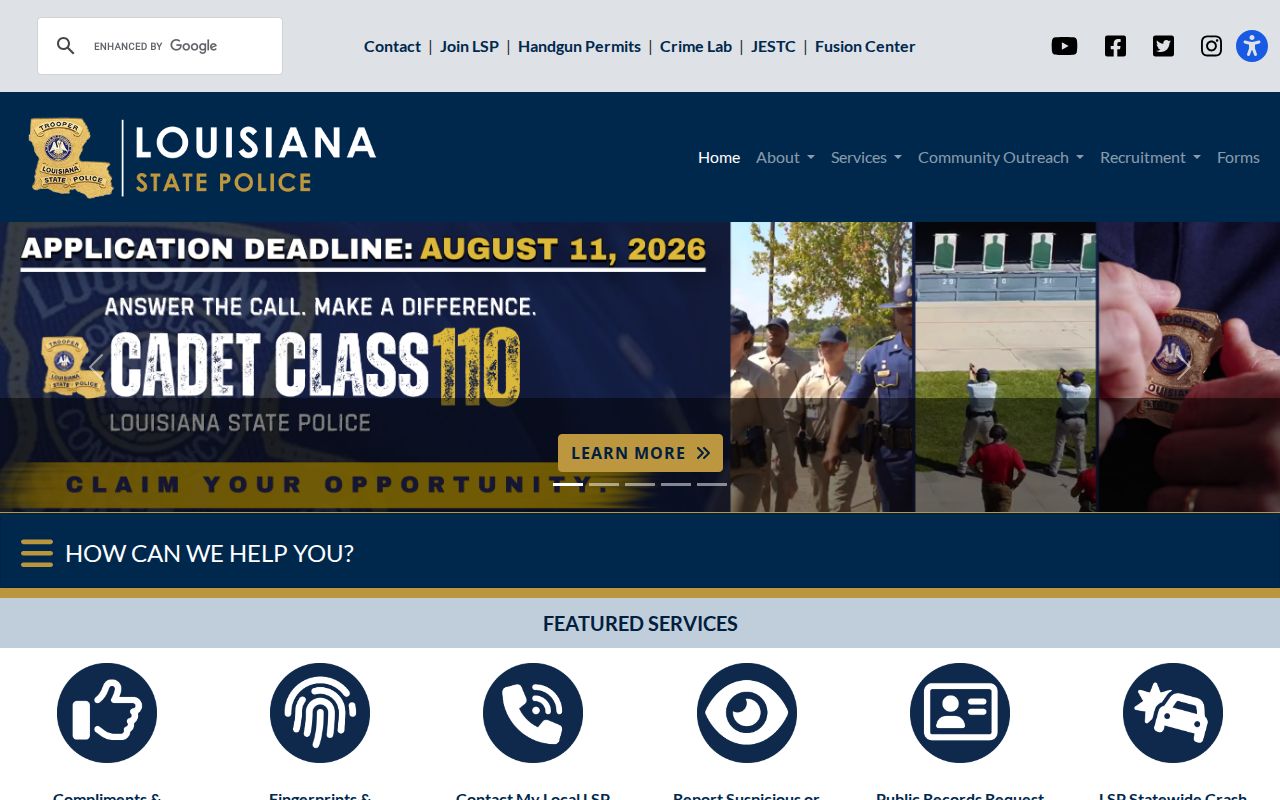
That state correction channel complements, but does not replace, the clerk’s certified local disposition.
Searching LaSalle Parish Case Records
Use the clerk’s telephone, counter, mail, or contact form. Ask whether the matter is an open prosecution, disposed file, minute entry, or certified judgment. Staff can also explain how an older file is stored and whether remote delivery is available. Read the docket number back before paying for copies.
- Call or visit the clerk and specify a criminal-file request.
- Give the full name and docket number, if known.
- Narrow the search with year, agency, charge, booking, or citation data.
- Ask staff to distinguish the docket, minutes, judgment, and sentence.
- Confirm the fee and request the needed plain or certified copy.
| Field Label | Type | Required | Notes |
|---|---|---|---|
| Last name | Text | Yes, without a docket | Use the full legal spelling and aliases. |
| First name | Text | Yes, without a docket | Include middle name when known. |
| Docket number | Text | No | The best single case identifier. |
| Event or filing date | Date or year | No | An approximate year can narrow a common name. |
| Agency or charge | Text | No | Helps staff distinguish possible matches. |
LaSalle Criminal Copies and Fees
The clerk publishes a general fee page that mentions a $20 search, a $5 minute entry, $1 photocopies on parts of the schedule, and certification charges that vary by context. The schedule mixes criminal, civil, UCC, and recording items. It is not safe to assume every listed amount applies to a criminal request.
Describe the exact product before ordering. A docket sheet helps trace activity. A minute entry records what occurred in court on a given date. A judgment or certified disposition is stronger proof of the result. Ask the clerk to quote the current criminal-copy fee, certification cost, delivery method, and total before payment. The official clerk fee schedule is a starting point, not a substitute for that confirmation.
R.S. 44:1 supplies the state’s basic public-record definitions.
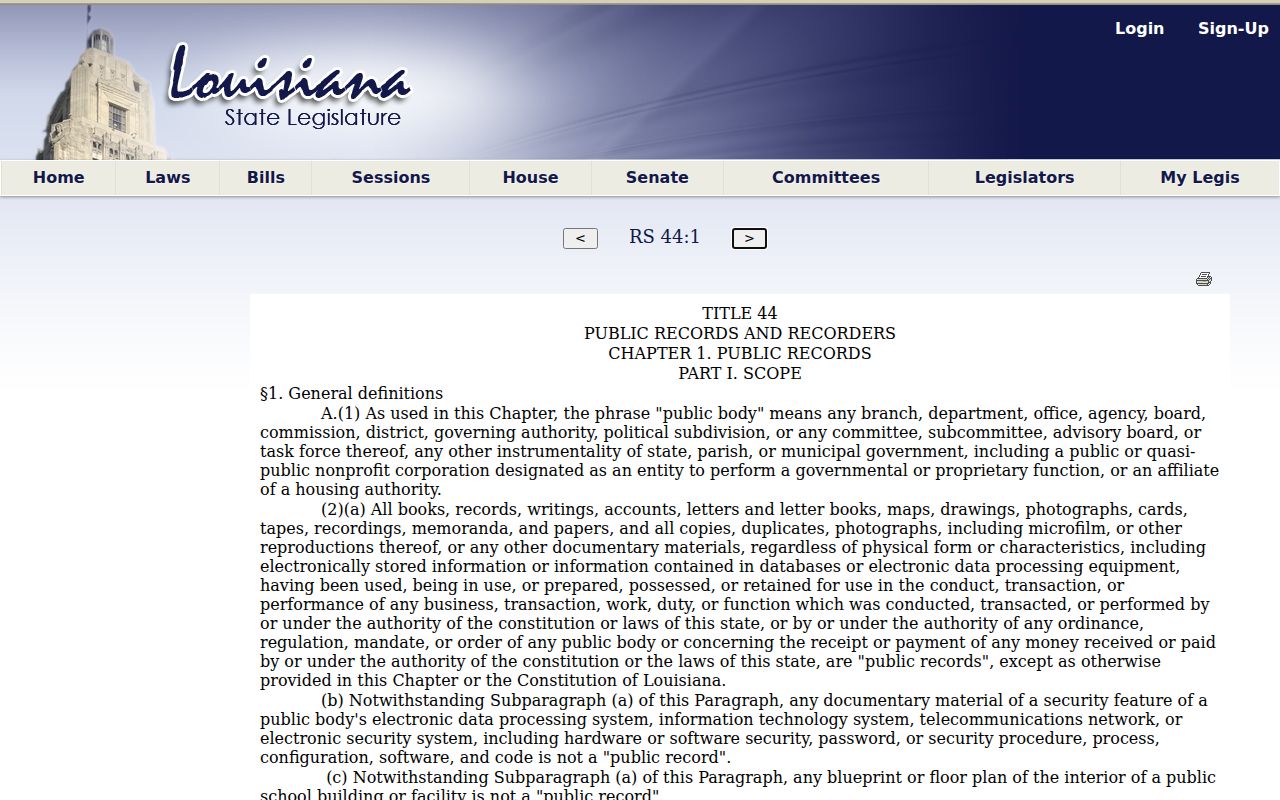
The definition helps frame a request, while the clerk still identifies the file and applicable copy charge.
Inside a LaSalle Parish Case File
A district criminal file can identify the court, defendant, filing date, charge, counsel, hearings, motions, plea, disposition, sentence, costs, bond actions, and warrant or capias entries. Availability varies by case. No public LaSalle case-detail screen was verified, so these fields should not be assumed to be online.
| Case Number & Court | Identifies the 28th JDC file and links later requests to one matter. |
|---|---|
| Charging Document | The bill of information or indictment states what prosecutors filed. |
| Docket Entries | A dated index of filings, motions, hearings, and court action. |
| Hearing Dates | Settings and minutes show when and why the parties appeared. |
| Disposition & Judgment | Shows dismissal, acquittal, plea, or finding of guilt. |
| Sentence & Conditions | Records punishment and court-ordered terms when imposed. |
Reading LaSalle Case Outcomes
Arrest, charge, and conviction are separate events. An officer’s booking label can be changed or declined by the district attorney. A filed count can later be amended. “Dismissed,” “not prosecuted,” “acquitted,” “guilty,” and “guilty to an amended count” describe different results. The certified disposition should be read with the charging document and sentence rather than reduced to one roster label.
If a Louisiana Computerized Criminal History record lacks the final result, first obtain the certified disposition from the clerk. Louisiana State Police explains the challenge process for repository errors. Its official challenge FAQ helps a person compare the court proof with a fingerprint-matched state history.
The official Louisiana Public Records Law index also shows why court access and statewide criminal-history dissemination are distinct legal channels.
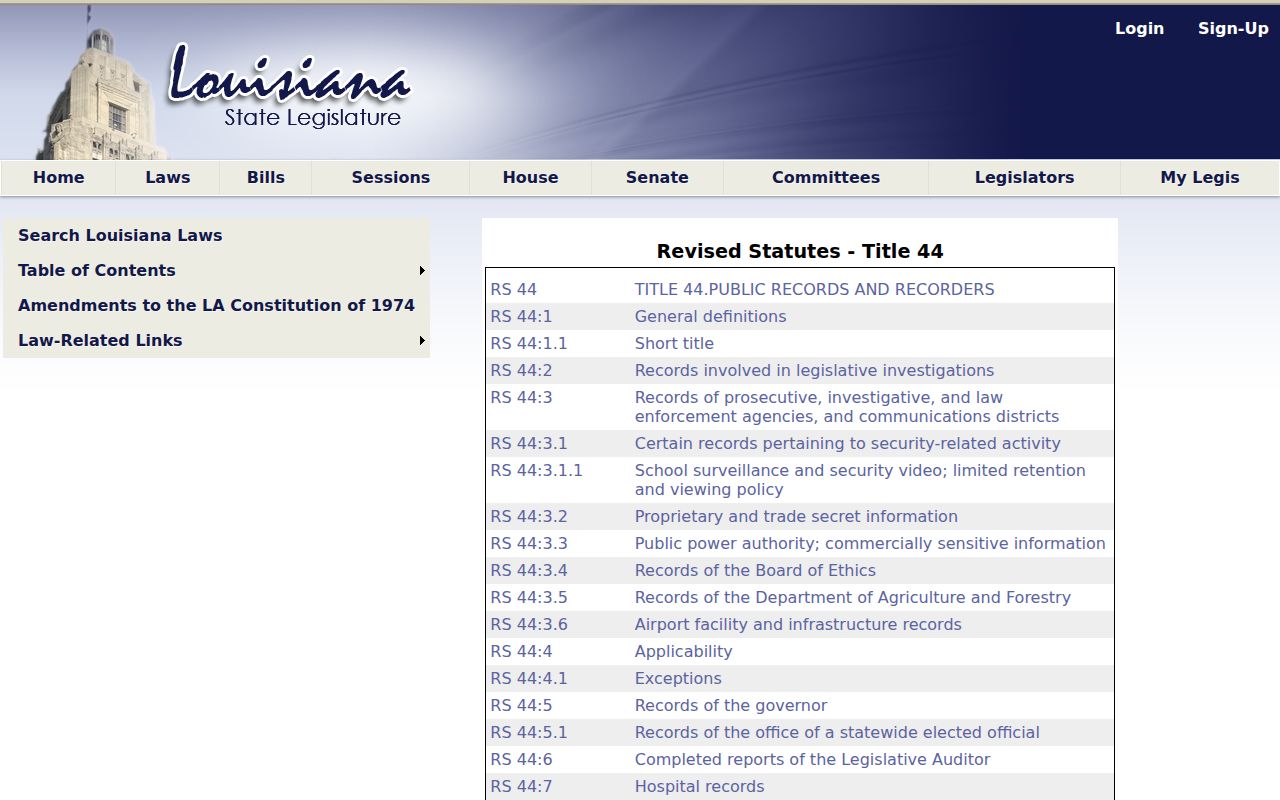
Its law-enforcement provisions should be read separately from the rules for LSP criminal-history reports.
The official R.S. 15:587 page addresses criminal-history dissemination.
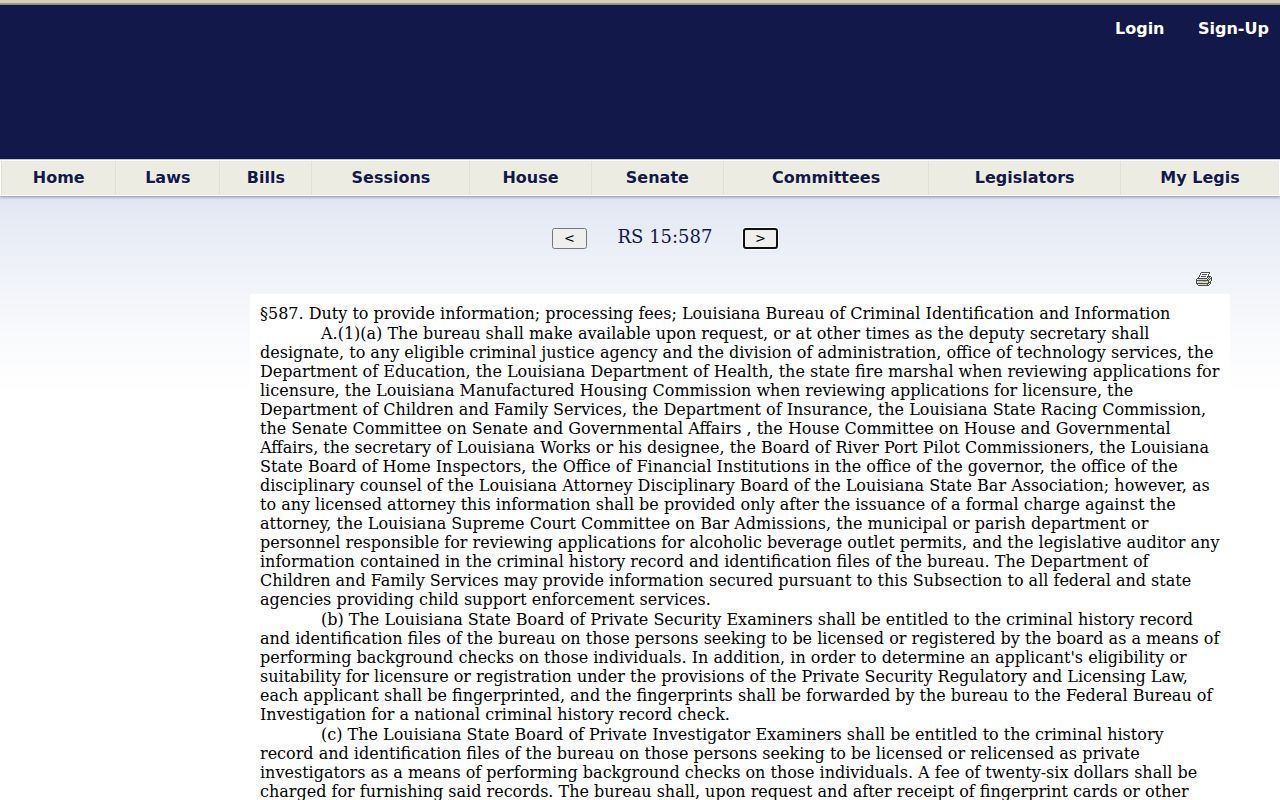
That narrower authority is one reason a court file search and a statewide background record are not the same request.
How a Criminal Case Moves
A case may begin with an arrest or summons. A custodial arrest creates a sheriff booking, but the prosecutor still decides whether and what to file. A bill of information or indictment opens the prosecution. Arraignment records the plea, and motions or discovery follow before a plea or trial. Judgment, sentence, and a possible Third Circuit appeal come later. No fixed local timeline was published, so status should be checked from dated clerk entries.
Case flow: Arrest or summons › Booking › Prosecutor review › Filed charge › Arraignment › Motions › Plea or trial › Judgment › Sentence › Possible appeal
Mayor’s Court or District Court
Municipal ordinance matters can remain in a mayor’s court. Louisiana Revised Statutes 33:441 defines that jurisdiction and provides a ten-day appeal route after notice from mayor’s court to district court. A searcher should contact the town that issued the citation, then the 28th JDC clerk if an appeal or state prosecution exists.
This split matters in Jena, Olla, Tullos, and Urania. The official mayor’s-court statute explains the legal route, but the issuing municipality holds its own docket. Ask for the citation or docket number, status, balance, and disposition copy.
The same R.S. 33:441 source documents both municipal jurisdiction and the appeal path.
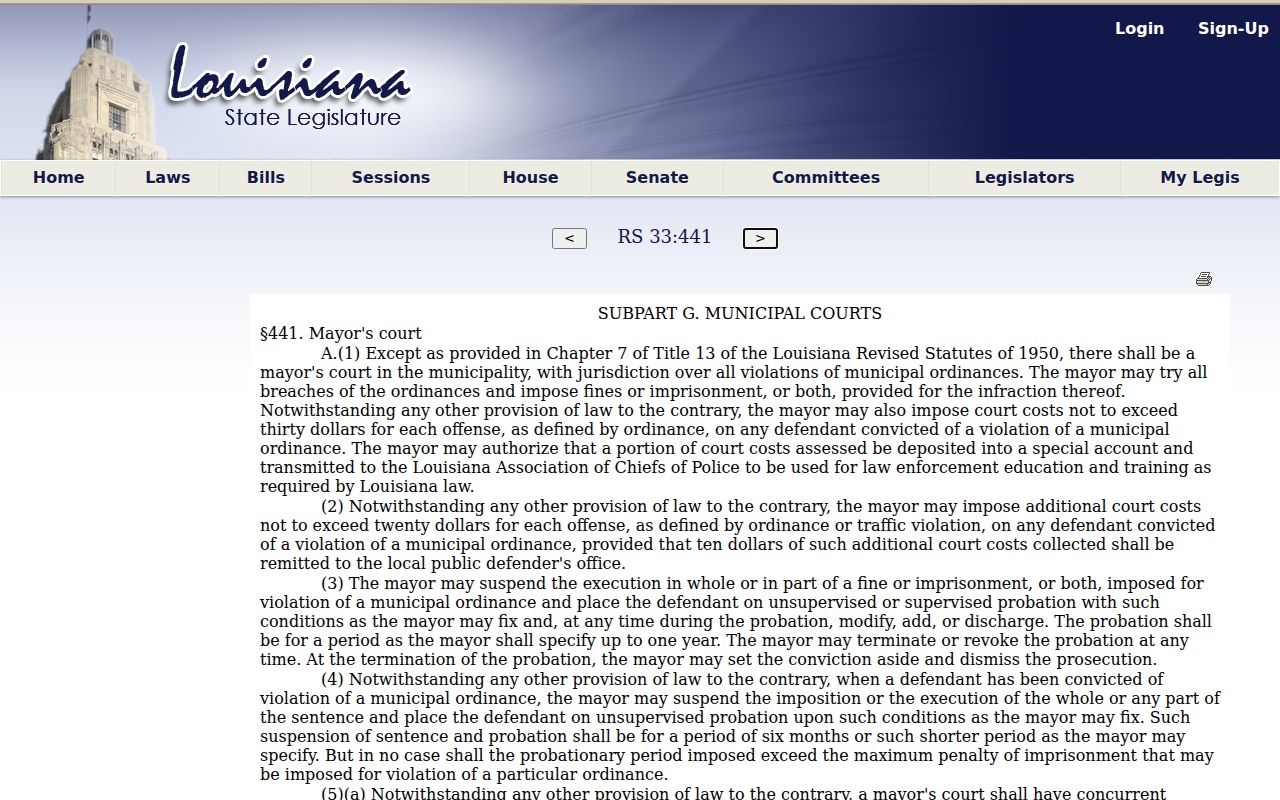
Its short appeal period is a reason to identify the issuing court promptly.
Case Record Access and Restrictions
Louisiana law broadly recognizes public records, but it protects juvenile material, victim and child identifiers, confidential sources, and specified investigative or prosecutive details. A pending investigation can justify withholding some material under R.S. 44:3. That does not make every part of every file permanently closed. Ask the custodian to identify the exemption and release any segregable public portion.
An expunged record becomes confidential under Code of Criminal Procedure article 973, though it is not physically destroyed and remains available to recipients authorized by law. If a public file is missing, ask whether it was sealed, expunged, archived, not yet filed, or held by a different court. The official article 973 text defines the effect of expungement.
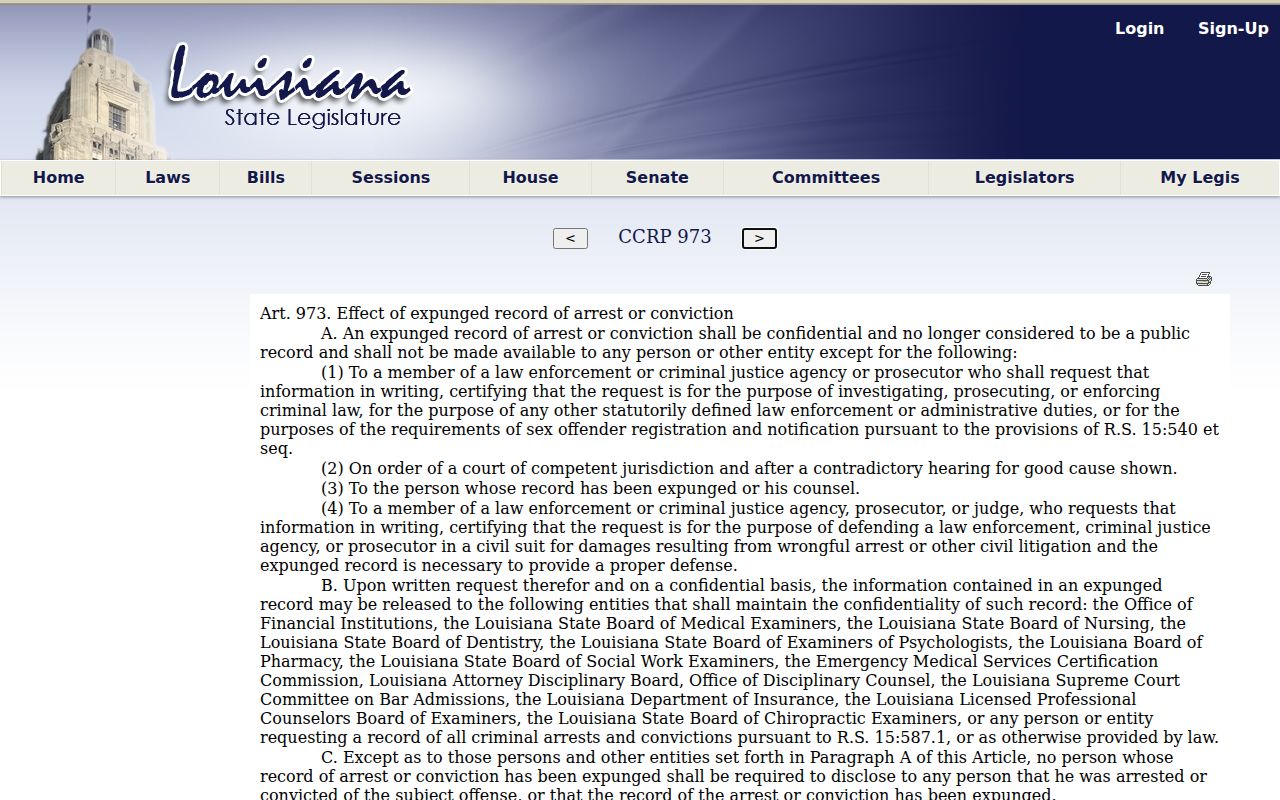
The statute confirms that confidentiality after expungement is different from physical destruction of the record.
Federal Cases Outside LaSalle Court
A federal prosecution connected to LaSalle Parish does not belong in the 28th JDC file. The Western District of Louisiana keeps federal district cases, and PACER supplies the federal search channel. Confirm the court and case number before paying for a federal docket search.
Keep the systems separate. A parish booking can coexist with a federal hold, but the local clerk cannot certify a federal judgment.
The U.S. District Court for the Western District of Louisiana is the official federal court source for the district covering LaSalle Parish.
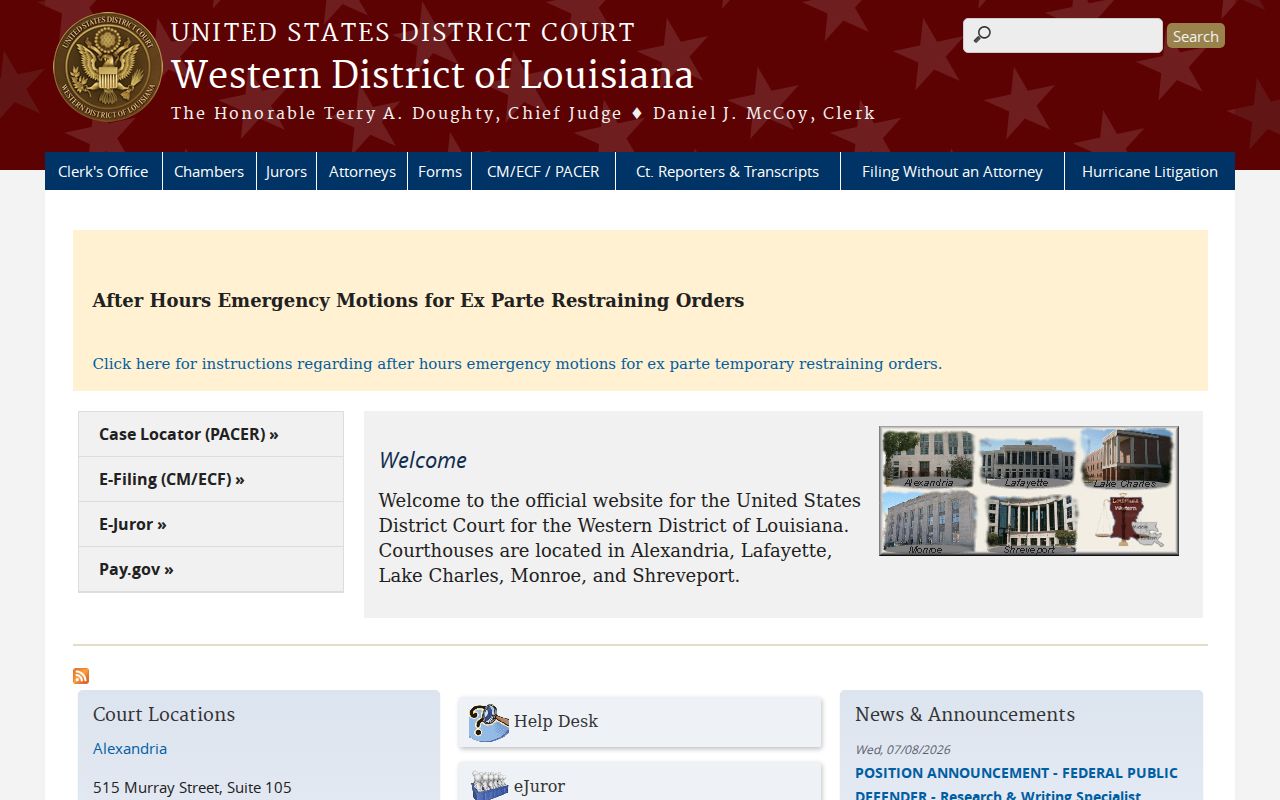
Use the district site to confirm court information before opening a federal docket service.
PACER provides the federal account registration and case-search gateway.
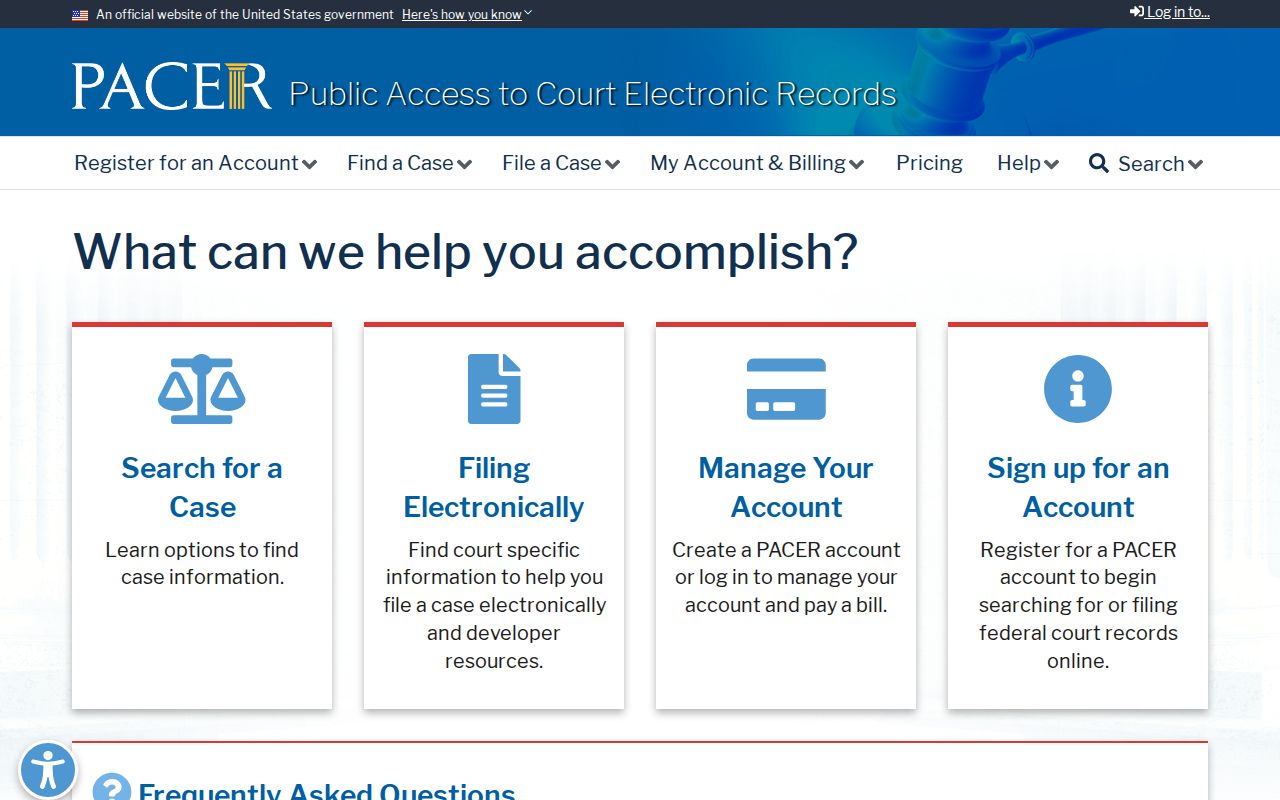
PACER searches federal records only; it does not contain the parish clerk’s criminal files.